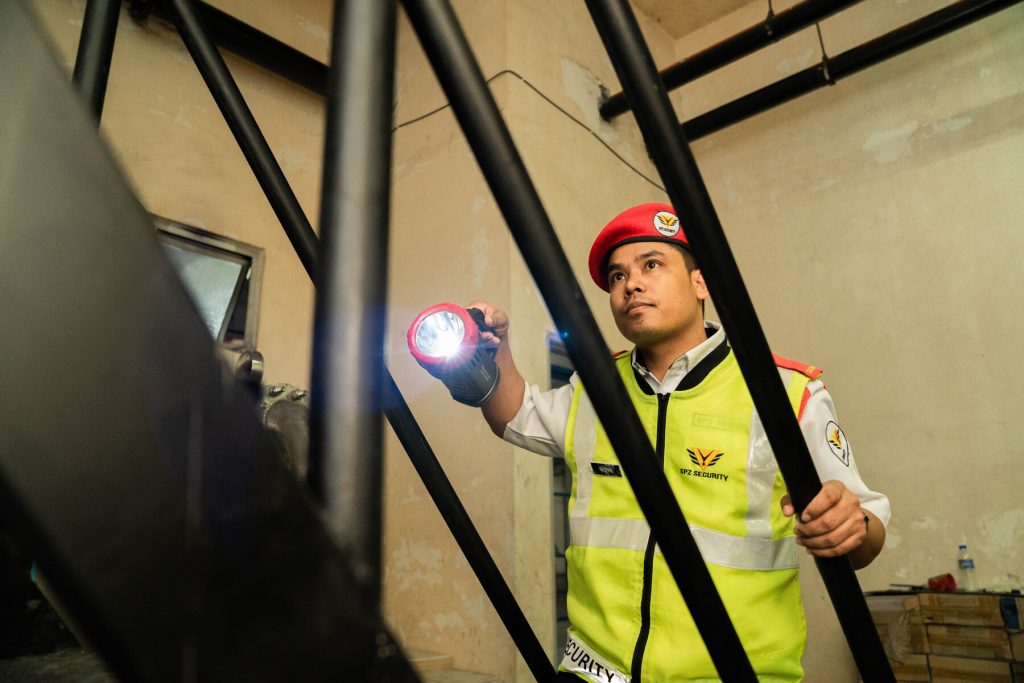
Residential security helps protect residents, visitors, vehicles and shared property in condominiums, apartments, landed housing areas and gated communities. In Malaysia, a well-planned security arrangement combines trained security guards, visitor management, access control and regular patrols.
The right setup depends on the property’s layout, number of entrances, visitor traffic, facilities and specific security concerns. Rather than relying on guards alone, property managers should establish clear procedures for access, incident reporting and emergency escalation.
Residential Break-In Statistics in Malaysia
Malaysia recorded 11,334 house break-in and theft cases in 2024. Of these, 8,801 cases occurred at night, representing approximately 77.6% of the total.
These national figures show why residential security planning should consider after-hours coverage, visitor verification, vehicle access, perimeter patrols and clear procedures for reporting suspicious activity. They are national figures and do not indicate the incident rate of any particular condominium or gated community.
What Do Residential Security Services Include?
Residential security services can be arranged around the needs of each property. Common security measures include:
- Guardhouse access control: Check and record visitors according to the property’s approved procedures.
- Visitor registration: Verify visitor details and contact residents when required.
- Vehicle access management: Monitor entry and exit at designated gates.
- Patrols: Check common areas, parking facilities, perimeter boundaries and other designated locations.
- Incident reporting: Record unusual activity, complaints and security incidents for management follow-up.
- Emergency escalation: Contact the appropriate management team, emergency services or relevant authorities when necessary.
For condominiums and gated communities, the management team should clearly define which duties are handled by security guards and which remain the responsibility of property management.
Why Do Gated Communities Need Access Control and Patrols?
A residential property may have several entry points, visitor parking areas, delivery activity and shared facilities. Without consistent procedures, unauthorised access and poor incident reporting can become difficult to manage.
Property managers should assess at least 5 key areas:
- Main entrance and visitor verification.
- Vehicle gates and pedestrian access points.
- Basement and open-air parking areas.
- Shared facilities, such as swimming pools and recreational spaces.
- Perimeter boundaries and less frequently used entrances.
This five-point list is a practical site-assessment checklist, not an official industry standard.
Security arrangements should also consider residents’ convenience. For example, visitor registration should be clear and consistent, while residents’ personal information should be handled according to applicable privacy requirements and the property’s policies.
How to Choose a Residential Security Company in Malaysia
Before appointing a security provider, property managers or joint management bodies should evaluate the following:
- Licensing and compliance: Verify the provider’s relevant licence and regulatory status.
- Guard deployment: Confirm the number of guards, shift arrangements, relief coverage and assigned duties.
- Site-specific procedures: Ask for written visitor, vehicle, patrol and incident-reporting procedures.
- Supervision: Understand who supervises guards and how performance concerns are escalated.
- Reporting: Confirm what incident logs and handover records management will receive.
- Emergency readiness: Check how guards are expected to respond to emergencies and contact the relevant authorities.
Do not choose a provider based only on the number of guards or the quoted price. Compare the proposed scope of work, supervision, reporting and actual site requirements.
Frequently Asked Questions
1. What does a residential security guard do?
A residential security guard may manage visitor access, monitor designated entrances, conduct patrols, report suspicious activity and follow the property’s approved emergency procedures.
2. How many security guards does a gated community need?
There is no single number suitable for every property. The requirement depends on the number of access points, operating hours, patrol responsibilities, site layout and the level of coverage required.
3. Can security guards control visitor access to a condominium?
They can perform visitor checks and access-control duties within the authority and procedures established by the property and applicable laws.
4. What should a management body check before hiring a security company?
Check the provider’s licensing, deployment plan, supervision, incident-reporting process, emergency procedures and ability to meet the property’s specific needs.
Conclusion
Residential security works best when trained guards, consistent access procedures, regular patrols and clear management communication operate together. A site assessment can help identify the appropriate coverage for a condominium, apartment or gated community.
Need residential security support in Malaysia? Contact SPZ Security to discuss your property’s requirements and request a security arrangement tailored to your site.